


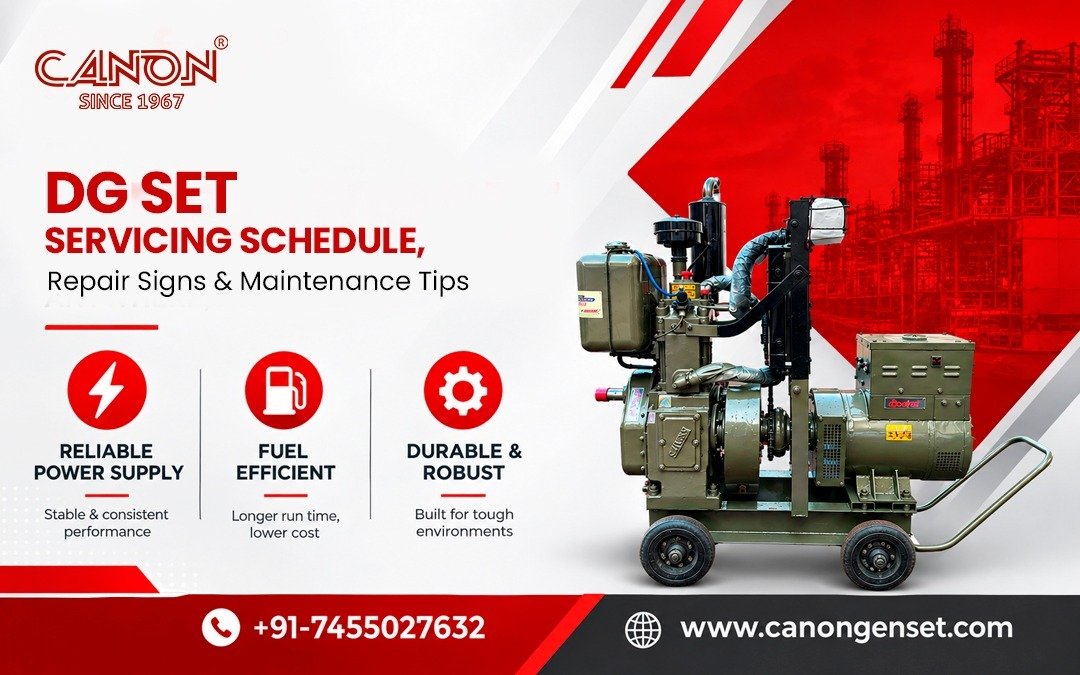
A diesel generator is an important backup power solution for businesses, factories, offices, hospitals, commercial buildings, and other facilities where uninterrupted electricity is essential. However, simply installing a generator is not enough. Regular maintenance is necessary to keep the DG set reliable, efficient, and ready to perform when you need it most.
A proper generator maintenance checklist helps identify potential problems before they turn into expensive breakdowns. Regular servicing can also improve fuel efficiency, reduce unexpected downtime, and increase the operating life of your generator.
In this guide, we will cover the diesel generator servicing schedule, common signs your generator needs repair, preventive maintenance practices, and practical tips on how to extend generator life.
Generator Maintenance Checklist
A systematic maintenance routine should cover the engine, electrical components, cooling system, fuel system, battery, and other critical parts.
Here is a basic generator maintenance checklist:
Daily or Before-Use Checks
Before operating your DG set, check:
- Engine oil level
- Coolant level
- Diesel/fuel level
- Battery condition
- Fuel or oil leakage
- Unusual noise or vibration
- Exhaust smoke
- Control panel warning indicators
- Air intake and exhaust area
- General cleanliness of the generator
These simple checks can help identify problems at an early stage.
Weekly Checks
For generators that are regularly used, weekly inspection should include:
- Battery terminals and connections
- Battery charging system
- Fuel system for leaks
- Coolant hoses
- Engine belts
- Air filter condition
- Radiator and cooling system
- Electrical connections
- Generator enclosure and ventilation
The generator should also be operated periodically if it is primarily kept as a standby power source.
Diesel Generator Servicing Schedule
Following a diesel generator servicing schedule ensures that important components are inspected and replaced at appropriate intervals.
The exact schedule depends on the generator model, operating hours, load conditions, environment, and manufacturer’s recommendations. A typical maintenance approach includes:
| Maintenance Interval | Important Checks |
| Daily/Before Operation | Oil, coolant, fuel, leaks, battery and warning indicators |
| Weekly | Battery, belts, hoses, air filter and general inspection |
| Monthly | Test run, electrical connections, cooling system and battery charging |
| Every 250 Hours* | Engine oil, oil filter and detailed inspection |
| Every 500 Hours* | Fuel filters, air filter and engine inspection |
| Annually | Comprehensive servicing and electrical/mechanical inspection |
*Intervals can vary depending on the DG set manufacturer and operating conditions. Always follow the recommended service interval for your specific model.
Regular servicing is particularly important for generators operating in dusty, humid, hot, or industrial environments.
Signs Your Generator Needs Repair
Ignoring early warning signs can result in major engine or electrical problems. Watch for these signs your generator needs repair:
1. Difficulty Starting
If your generator takes longer than usual to start, repeatedly fails to start, or requires multiple attempts, there may be an issue with the battery, fuel system, starter motor, or engine.
2. Excessive or Unusual Smoke
Changes in exhaust smoke can indicate an underlying problem. Excessive black, white, or blue smoke should be investigated by a qualified technician.
3. Unusual Noise or Vibration
A sudden increase in vibration, knocking sounds, rattling, or unusual engine noise should not be ignored. It may indicate mechanical wear or a loose or damaged component.
4. Reduced Power Output
If the generator struggles to handle its normal load or its output fluctuates, the issue could involve the engine, alternator, fuel system, or electrical components.
5. Increased Fuel Consumption
If your DG set starts consuming significantly more diesel than usual without an increase in load, it may require inspection and servicing.
6. Oil or Coolant Leakage
Visible leakage around the engine or other components can indicate damaged seals, hoses, connections, or other mechanical issues.
7. Overheating
Frequent overheating may be caused by low coolant, a blocked radiator, damaged hoses, cooling fan problems, or other cooling-system issues.
Addressing these warning signs early can prevent a minor issue from becoming a major repair.
Preventive Maintenance for DG Set
Preventive maintenance for DG set systems focuses on identifying and resolving potential problems before they cause unexpected failure.
Some important preventive maintenance practices include:
Maintain Proper Engine Oil Levels
Engine oil lubricates moving components and helps reduce friction and heat. Check oil levels regularly and replace the oil according to the manufacturer’s recommended service interval.
Keep the Cooling System Clean
The radiator and cooling system must remain clean and unobstructed. Dust and debris can restrict airflow and contribute to overheating.
Check the Battery Regularly
A weak battery is one of the common reasons a standby generator may fail to start when required. Check battery terminals, connections, charging voltage, and overall battery condition.
Replace Filters on Schedule
Air, oil, and fuel filters play an important role in engine performance. Dirty or clogged filters can reduce efficiency and affect engine operation.
Inspect Belts and Hoses
Regularly inspect belts and hoses for cracks, looseness, deterioration, or other visible damage. Replace components when required.
Test the Generator Under Load
Simply starting a standby generator periodically may not be enough. Where appropriate, load testing helps verify that the generator can deliver the required power when needed.
How to Extend Generator Life
Want to know how to extend generator life and get better long-term performance from your DG set?
Follow these practices:
- Follow the manufacturer’s service schedule
Do not postpone routine servicing. Scheduled maintenance helps keep critical components in good condition. - Avoid continuous overloading
Operating a generator beyond its rated capacity can put excessive stress on the engine and alternator. - Use quality fuel and lubricants
Poor-quality diesel, contaminated fuel, or unsuitable lubricants can negatively affect engine performance and component life. - Keep the generator environment clean
Ensure adequate ventilation and keep dust, debris, and other contaminants away from the generator. - Monitor performance regularly
Keep records of operating hours, fuel consumption, servicing, load, and any unusual symptoms. Changes in these parameters can help identify developing problems. - Don’t ignore small problems
A minor oil leak, unusual noise, starting issue, or temperature increase can become a costly failure if ignored. - Get professional servicing
Routine inspections by trained technicians can help identify mechanical and electrical problems that may not be obvious during basic checks.
Why Regular DG Set Maintenance Matters
Regular generator maintenance is not just about preventing breakdowns. It can help businesses achieve:
- Better generator reliability
- Improved fuel efficiency
- Reduced unexpected downtime
- Longer equipment life
- Safer operation
- Better power performance
- Lower long-term repair costs
For businesses that depend on backup power, preventive maintenance should be treated as an essential part of generator management rather than an occasional activity.
Choose Reliable Power with Canon Gensets
A well-maintained diesel generator can provide dependable backup power for years, but maintenance quality plays a major role in its performance and longevity.
Whether you operate a commercial facility, industrial unit, office, hospital, institution, or other critical application, following a structured generator maintenance checklist and diesel generator servicing schedule can help keep your DG set ready when you need it.
Canon Gensets focuses on dependable power-generation solutions designed for a wide range of applications. With the right generator, proper installation, and regular preventive maintenance, businesses can build a more reliable backup power system.
Final Checklist
Before considering your generator maintenance routine complete, make sure you regularly monitor:
☑ Engine oil
☑ Coolant
☑ Diesel/fuel system
☑ Battery
☑ Air, oil and fuel filters
☑ Belts and hoses
☑ Radiator and cooling system
☑ Electrical connections
☑ Exhaust system
☑ Generator load and performance
☑ Operating hours
☑ Service history
Regular maintenance today can help prevent unexpected generator failure tomorrow.
Recent Comments